Skip Hire in Islington
Skip hire in Islington gives households, landlords, contractors and businesses a practical way to deal with bulky waste that is too much for normal collections. Our service is built around clear skip sizes, sensible placement and straightforward waste handling, so you can choose a container that suits the job rather than overcommitting to space you do not need. From one-off clear-outs to ongoing trade use, the aim is to keep disposal organised and efficient.
The work can support refurbishments, garden projects, office changes and general decluttering, with options that suit mixed waste where permitted. If you are comparing skip sizes and prices, it helps to think about the type of material, how quickly the waste will build up and whether access is straightforward. Planning the load properly usually makes the process smoother and can reduce avoidable delays.
For a quick start, look at the service details, check what you can place inside, and decide whether you need standard hire, a permit-led solution or an alternative like wait and load. If you already know the main material, that can narrow the choice quickly. When you are ready, ask for a quotation and use the details below as a guide to the most suitable option.
Domestic skip hire for home projects
Domestic skip hire is often the simplest option for clearing waste from a house, flat, loft or garden. It can suit short bursts of activity such as replacing flooring, emptying a shed, or working through accumulated household items. We keep the focus on a size and collection pattern that matches the scale of the task, so the service stays proportionate and manageable rather than unnecessarily large.
Typical domestic jobs may include general non-hazardous rubbish, old fixtures, packaging from home improvements and mixed light waste from clear-outs. A well-chosen skip can help separate what should go for disposal from items you may want to keep, donate or recycle elsewhere. If you are comparing domestic skip hire with other waste options, think about access, space on the frontage and whether the materials will arrive all at once or over several days.
We also help customers decide when a smaller container is enough and when a slightly larger skip may be the better fit. A simple approach is to list the main waste types, estimate how many bags or bulky items are involved and consider whether any of the load is awkwardly shaped. For a clear next step, request a quotation once you know the rough quantity and the kind of work involved.
Builders skip hire and construction waste
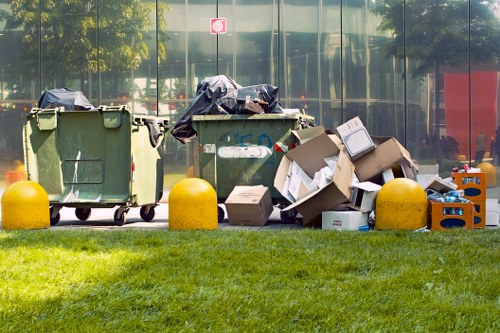
Builders skip hire is designed for renovation debris, demolition leftovers and the mixed waste that comes with site work. It is often used for brick, rubble, timber, plasterboard, packaging and other non-hazardous construction waste, subject to the usual restrictions. Because building work can generate waste quickly, the right container size helps keep the working area tidy and prevents materials spreading across paths, drives or loading zones.
For jobs with heavier content, the choice of skip and the way it is loaded matter as much as the overall volume. Dense rubble can reach weight limits long before a skip looks full, so spreading material sensibly is important. Builders skip hire is therefore a practical choice when you want a service focused on construction waste rather than general household clearance. It is also useful when waste comes from several stages of a project instead of one single day.
Construction waste disposal needs a little more planning than casual clear-outs because the contents can vary from one phase to the next. If your waste includes separated materials, you may be able to organise the load more efficiently and reduce the need for extra collections. Where access is limited or the work area is tight, choosing the right delivery and collection pattern is just as important as choosing the skip itself.
Commercial skip hire for business premises
Commercial skip hire can suit offices, shops, warehouses, landlords and facilities teams that need regular or one-off disposal support. The service is useful for refits, stockroom clear-outs, packaging disposal and routine business waste that builds up faster than standard collections can handle. It offers a practical way to keep the premises orderly while handling waste in a way that fits the scale of the operation.
For businesses that need a more structured arrangement, commercial skip hire can be matched to short projects or repeated use. The main considerations are usually access, the type of waste, the timing of collections and how much space is available for placement. Where waste is generated during trading hours, it may help to plan delivery and collection around site activity so that staff and visitors are not inconvenienced.
If you are planning business disposal, it is worth separating general rubbish from any restricted material before the container arrives. That can make loading easier and can reduce the need for last-minute sorting. A simple waste plan also helps if you expect the project to evolve. Ask for a quotation when you know the likely materials, the site layout and the period over which the waste will accumulate.
Wait and load and permit-based options
Not every site has room for a skip to stay in place for long, and that is where alternative arrangements can be useful. Wait and load is suited to locations where parking space is limited or where leaving a container on the road would be impractical. It allows waste to be loaded in a controlled visit, which can work well for busy streets, small forecourts or premises with restricted access.
Where a skip needs to be positioned on public highway, a permit may be required. In those cases, it is sensible to think about timing, placement and how long the container is needed. skip permits are an important part of the planning process when the skip cannot be kept entirely on private land. Choosing the right route early can help avoid unnecessary disruption and keep the hire process straightforward.
These options are often useful when the waste itself is manageable but the site conditions are not. If access is narrow, if parking is at a premium or if the job is taking place in a heavily used area, a more flexible arrangement can be the best fit. Keep the plan practical, then request a quotation once you know whether the skip will sit on-site or whether a wait and load visit is the better approach.
Garden, garage and loft clearances

Garden waste removal, garage clearance and loft clearance each bring different waste types, but they often benefit from the same careful approach. Outdoor work may involve branches, soil, turf, broken fencing or general green waste, while garages and lofts tend to contain mixed household items, packaging and old storage. Choosing a container that matches the kind of material involved helps make these projects more orderly from the outset.
For garden jobs, it is useful to separate green waste from harder mixed rubbish where possible, especially if the project also includes old pots, timber or dismantled structures. Garden waste removal can support seasonal tidy-ups and larger landscaping tasks, while garage and loft clearance is well suited to accumulated stored items that have been kept for too long. Both can be easier when you know in advance which waste is bulky, which is loose and which may need a different disposal route.
A little preparation can make loading safer and quicker. Clear a path to the storage space, keep keepable items separate and think about whether the waste will be brought out all in one go or over a longer period. If you are unsure what size to choose, list the main items first and then compare them with the available container types before asking for a quotation.
Specialist disposal for awkward items and heavier loads
Some waste streams need more specific handling than standard mixed rubbish, and it helps to choose a service that matches the material. Fridge and appliance disposal, mattress and sofa disposal, hazardous waste disposal and demolition waste removal all come with their own practical considerations. The aim is not to make the process complicated, but to ensure the waste is managed in the right way and sent down the correct route.
Fridge and appliance removal is useful when bulky domestic or commercial items are being replaced, while mattress and sofa disposal helps with large upholstered items that are awkward to move and store. Hazardous waste disposal should only be used for materials that need specialist treatment, and demolition waste removal is better suited to heavier debris created when structures or fittings are taken apart.
It is sensible to identify the main item types before deciding how to proceed, especially where a project produces both ordinary waste and specialist material. That distinction can save time and avoid confusion at the point of loading. If you have a mixture of standard waste and difficult items, ask which arrangement best fits the whole load, then request a quotation based on the most accurate description possible.
About Islington
Islington is a north London district known for its dense urban character, varied housing and strong mix of residential, commercial and cultural streets. The area sits within the London Borough of Islington and includes neighbourhoods such as Angel, Canonbury, Barnsbury and Highbury, each with its own character while still belonging to the wider district. Historically, Islington developed from a rural settlement on the edge of London into a place shaped by canals, Georgian terraces, Victorian expansion and later regeneration. That layered growth is still visible in the street pattern, where older terraces sit alongside post-war estates, modern apartments and busy main roads. The Regent’s Canal passes through the area, bringing waterside paths and narrowboats into a landscape otherwise defined by compact blocks and active commercial frontages. The district is also associated with theatres, independent shops, restaurants, pubs and performance venues, especially around Upper Street and the Angel area. Green spaces such as Highbury Fields provide open ground within a tightly built-up setting, while smaller squares and gardens punctuate the neighbourhoods. Clerkenwell lies just to the south, and the wider borough connects easily with central London through a dense transport network. Islington’s architecture ranges from elegant Georgian terraces to later mansion blocks and modern developments, reflecting cycles of investment, subdivision and rebuilding across several centuries. The result is a place with strong residential presence, visible heritage and a busy everyday rhythm.
How we handle mixed waste and access constraints
Mixed waste is common on home, trade and clearance jobs, so a practical service needs to cope with more than one material type. The key is to keep the load within the relevant restrictions and to think about how different items will sit together inside the container. When waste is mixed sensibly, the job is easier to manage and the collection can proceed without unnecessary complications. What can go in a skip is a useful reference point when you want to check the broad categories before loading begins.
Access also matters, especially where the property is on a narrow street or where vehicles have limited turning space. If the skip needs to be placed close to a wall, gate or kerb, the exact layout should be considered before the delivery is booked. In some settings, a different option may be more practical than the largest available container, particularly if loading space is tight or the site must remain partially open during the work.
Good access planning is less about perfection and more about avoiding preventable delays. Measure the available space, look for overhead restrictions and think about whether the route to the loading point is clear. Once those practical details are understood, it becomes much easier to request a quotation that reflects the real conditions on site.
Choosing the right size and service level
Choosing the right skip is often a matter of balancing volume, weight and the way the waste will be produced. A smaller container may be enough for a neat clear-out, while a larger one can be better when a project will generate waste in several stages. If you want to avoid overfilling, it helps to think about the size of bulky items as well as the number of bags or loose pieces involved.
The choice between standard hire, same day skip hire or wait and load skip hire depends on how quickly the waste needs to move and how much space you have. Skip sizes and prices can help you compare the practical differences between the available options, while book online is a straightforward route when you already know what you need and want to move ahead without delay.
When deciding between the available options, keep the main question simple: what will arrive, how much space will it take and where will it sit while the work is underway? Answering those points gives you a better basis for a quotation than guessing from the appearance of the job alone. If you are still unsure, it is fine to begin with a rough outline and refine the details afterwards.
Quotations, recycling and final planning
The quotation stage works best when the main facts are clear: the type of waste, the approximate volume, where the skip will be placed and whether any special handling is needed. That information allows the service to be matched more accurately to the job and reduces the risk of choosing a poor fit. Keep the description honest and practical, especially if the load includes heavy rubble, bulky furniture or items that need separate attention.
Our approach also supports better sorting and disposal through waste recycling services and recycling and sustainability, where appropriate to the material. Some loads are better suited to careful segregation than to simple disposal, particularly when they contain reusable or recyclable components. That does not change the basic aim of the hire, but it can improve the handling of the waste once it leaves the site.
If you are ready to move forward, ask for a quotation and use the most accurate description you can give. A few clear details are often enough to narrow the options and suggest the most suitable next step. For larger jobs or repeat work, it may also be helpful to review the service pages again before confirming the arrangement.